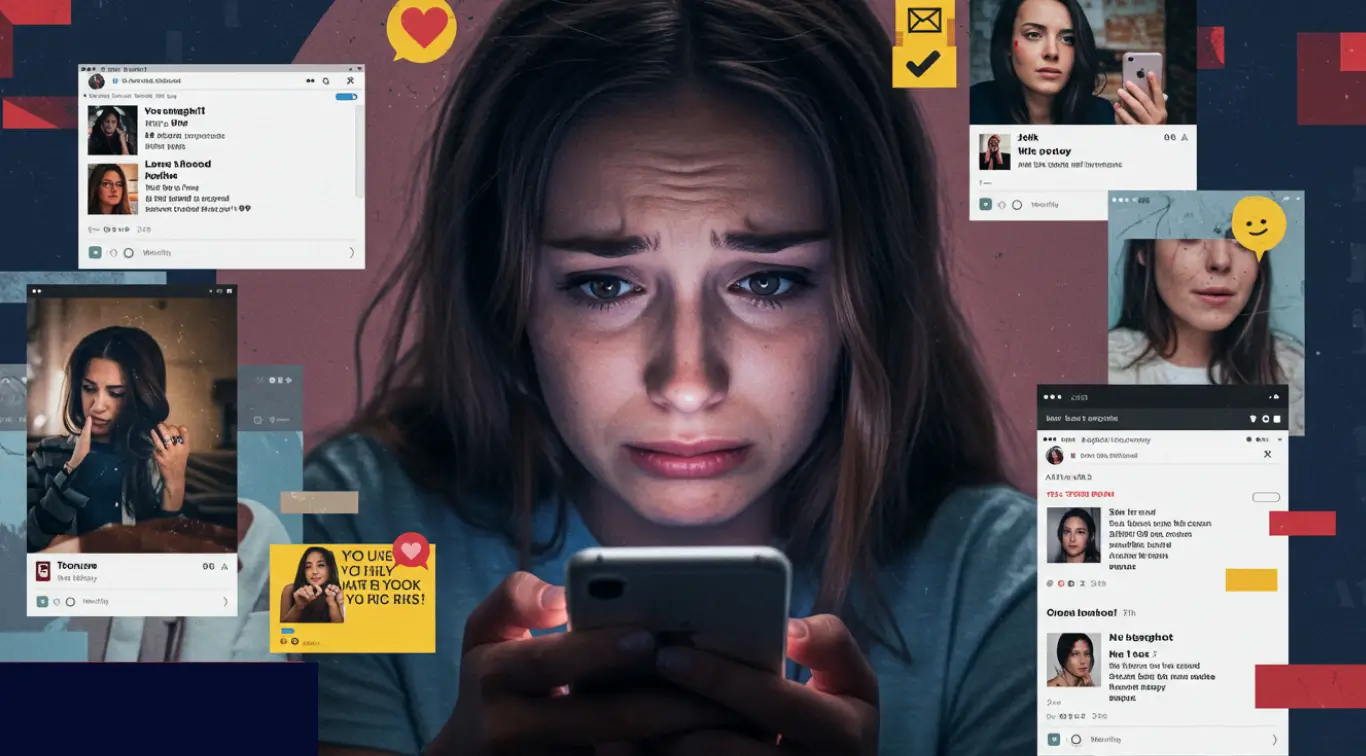
Your online world knows more about you than some people close to you, and that should make anyone stop and think. Your data moves faster than you can scroll, and online privacy protection becomes necessary once you see how easily companies track you, scammers follow you, and strangers piece together details you never meant to share.
But here’s what many miss: protecting yourself isn’t about fear. It’s about clarity. When you learn how your information moves, you get control back. That control helps you make smarter, safer choices online and reduces stress about what might happen. When you reclaim control, the internet feels less random and more useful. Let’s point out the blind spots most people miss.
How Your Information Becomes Vulnerable Without You Noticing
Your data rarely vanishes in one big breach. It leaks in small quiet ways that hardly register. Apps ask for permissions they don’t need, websites follow you long after you close the tab, and even simple tools trade your information for convenience. The problem isn’t the collection alone, it’s how that data is reused and sold without your consent.
What actually puts you at risk
- Apps that overshare by tracking your location, contacts, or habits
- Websites that follow your browsing to map your behavior
- Free tools that sell your activity to advertisers and data brokers
- Old breaches where scammers buy leaked details to impersonate you
Why this matters
- Data brokers quietly build detailed profiles
- Algorithms predict your patterns and choices
- Scammers use bits of your information to target you
- Your identity slowly slips out of your control
Where protection helps
This is where online privacy protection services help. They find what’s exposed, warn you about any unusual activity, and help remove your data from places you never agreed to share it.
The Hidden Side of Online Identity: What People Can Learn About You
Your online identity is far more than your posts. It includes everything people can pick up about you without you realizing it: your routines, your habits, your connections, even your personality. A single comment, tag, or public mention can build a picture that strangers interpret in their own way.
What others can infer
- Daily patterns, like when you’re online or away
- Your relationships and social circles
- Your reactions, tone, and emotional cues
- Spending habits and personal likes
The rising threat of impersonation
Fake profiles and misused photos are now common in online groups. Someone can copy your image, name, or writing voice and use it where you would never be. That’s where tools like are we dating the same guy awdtsg monitoring help. They spot identity misuse in crowd-driven groups where people flag suspicious behavior.
Why it matters
Your digital identity shapes how people see you, deal with you, and trust you. When you protect it, you’re guarding your relationships, your reputation, and your sense of safety, not just your data.
Practical Steps That Actually Improve Your Online Privacy Protection
Most people skip the basics, but the basics are what protect you every single day. These habits form a solid foundation for safer online privacy protection, giving you control without adding complexity to your routine. Think of them as small actions that keep your information from leaking where it shouldn’t.
1. Audit your devices
Unused apps often collect data quietly in the background, even when you never open them. Removing them and tightening permissions gives you more control over what your devices share.
2. Update everything
Old software often has flaws that attackers know how to use. Updating removes those weak spots and fixes gaps in your safety right away and without delay.
3. Strengthen your passwords
Using the same password across accounts makes it easy for one breach to expose everything. A password manager keeps things safe while making stronger logins easier to remember.
4. Review your social presence
Profiles often show more personal details than people think, from location tags to old posts that reveal private moments. Cleaning up your profiles cuts down the information others can piece together about you.
5. Stay cautious with links
Scammers use urgency to trick you into clicking harmful links. If something feels rushed or odd, pausing is often enough to avoid a phishing attempt.
The Psychology of Sharing: Why We Overshare Without Realizing It
Social platforms make sharing feel easy, rewarding, and safe, which is why even careful people share more than they mean to. This is where online privacy protection becomes more about awareness than tools, since most risks begin with small details we give away by accident.
- Emotional posts: These updates can reveal your stress patterns, moods, and personal weak spots without you noticing.
- Location sharing: Check-ins and tagged places show strangers where you are, where you’ve been, and when your home is empty.
- Work announcements: Promotions or job details can reveal your employer, role, and often your income range.
- Daily routines: Repeated posts make it easy for others to predict your daily schedule and understand when you’re offline.
- Photos and tags: Images often show your relationships, favorite spots, and personal habits through the background alone.
Why Choose PersonaAlert for Stronger Online Privacy Protection?
Keeping your digital identity safe takes more than good habits; that’s where PersonaAlert helps. Our tools let you spot threats most people miss. Even community risks, like those tracked through are we dating the same guy awdtsg monitoring, are easier to find and control. If you want protection that works quietly while you live your life, PersonaAlert does that.
- Real-time monitoring: PersonaAlert notifies you the moment your information appears in a suspicious database, breach, or online place, so you can act before the situation gets worse.
- Identity protection: The platform checks activity across channels to catch impersonation early, keeping you in control of how and where your identity appears online.
- Data removals: PersonaAlert works to remove your personal information from data brokers, public directories, and websites that collect and resell consumer details without clear consent.
- Community risk alerts: You get notices when your identity shows up in community reports or flagged digital spaces, helping you catch risks that standard monitoring often misses.
- Simple privacy tools: Each feature is built for clarity and ease, so you can strengthen your protection with tools that fit into your daily routine without extra effort.
Start Safeguarding Your Personal Data Now
Your digital life needs regular care, just like every part of your real world. When you choose to protect your privacy online, you’re not being fearful, you’re indeed being deliberate and prudent. Each small habit you pick up strengthens the safety of your identity, information, and reputation over time.With PersonaAlert’s online privacy protection services, you get expert monitoring and tools designed to find threats before they become real problems. Their system makes it simple to protect your personal data and online identity every day. Take control of your digital safety with PersonaAlert, start today.